About Norman

His Life and Legacy

Psychologist · Mentor · Humanitarian · Husband

Dr. Anderson dedicated his life to helping individuals,
organizations, and institutions thrive.

b.anderson

Biography

A Life of Curiosity,
Care, and Service

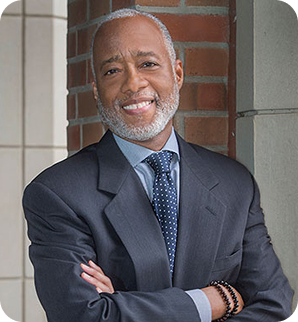
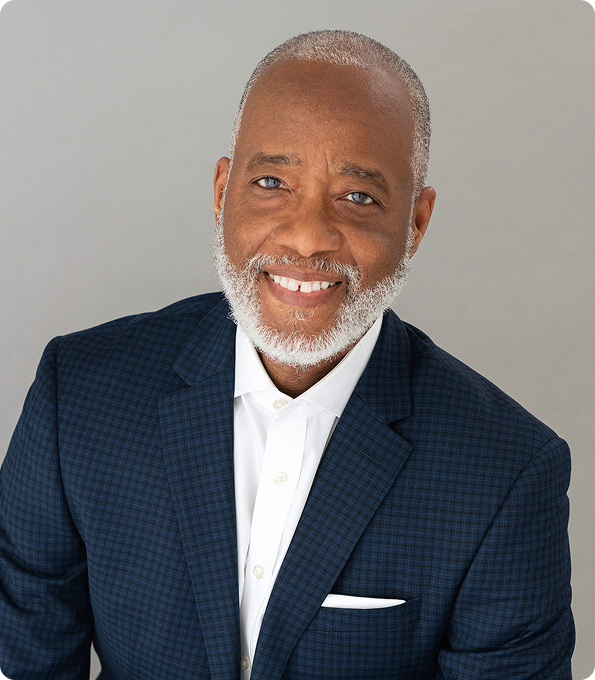
Dr. Norman B. Anderson, PhD, trained as a clinical psychologist and had a wide-ranging career as a national leader, first as a scientist and tenured professor studying health disparities and mind/body health, and later as an executive in government, non-profit, and higher education sectors.

Dr. Anderson served last as Assistant Vice President for Research and Academic Affairs, and Professor of Social Work at Florida State University (FSU), a role he deeply loved, and the last he held before his passing. In those roles he worked with faculty and administrators to advance the research mission of the university and to facilitate the success of emerging academic leaders.

Dr. Anderson created and directed the FSU Faculty Leadership Program, which was designed to offer leadership training to faculty across the university in various stages of their professional journeys.

Norman's Journey

The Path That Shaped His Life

Dr. Norman B. Anderson played a pivotal leadership

EARLY YEARS

North Carolina Roots

Raised in North Carolina, where the universities he would later endow first shaped his sense of what education could open up for a young person.

GRADUATE TRAINING

Clinical & Health Psychology

Trained at the intersection of clinical practice and health research — an uncommon pairing that would define his contribution.

ACADEMIC CAREER

Duke University Medical Center

Built a research program on stress, cardiovascular health, and the physiological toll of racial discrimination.

NATIONAL SERVICE

First Director, Office of Behavioral & Social Sciences Research, NIH

Established behavioral and social science as a research priority within the National Institutes of Health.

LEADERSHIP

Chief Executive Officer, American Psychological Association

The first African American elected President, and later CEO, of the APA.

LATER WORK

Florida State University & Contemplative Leadership
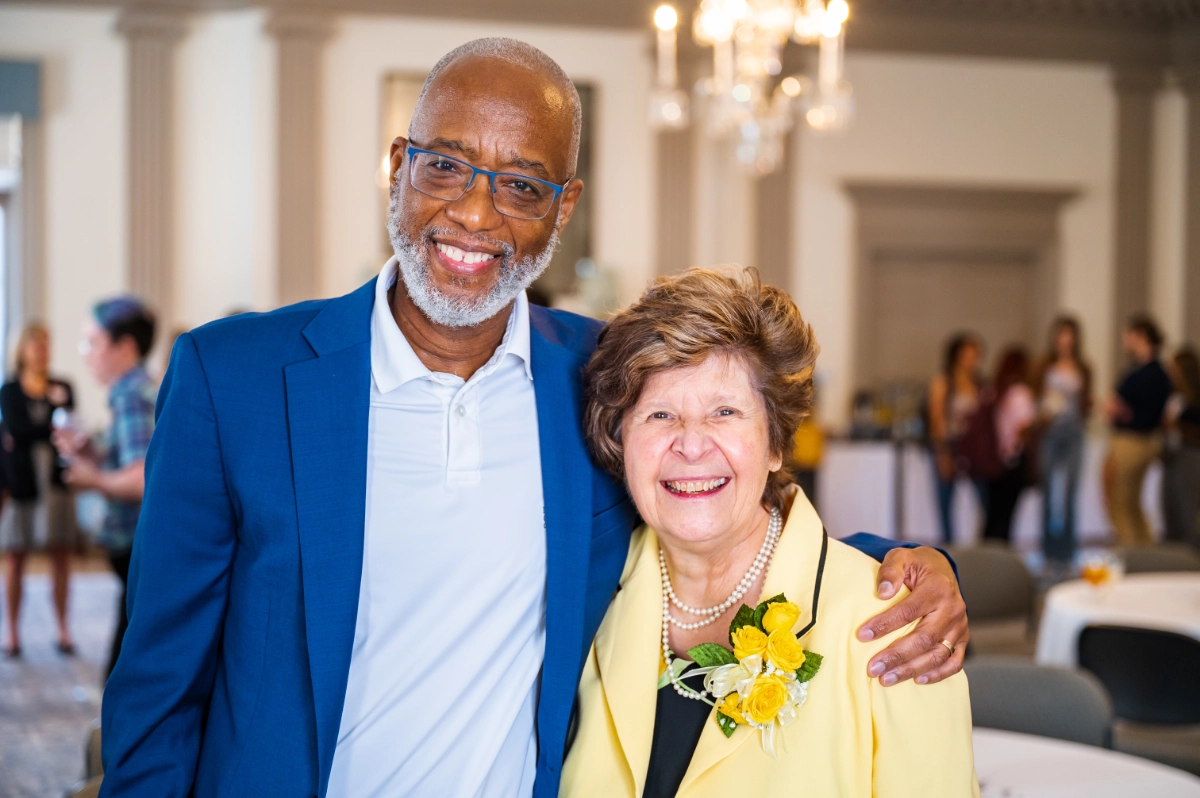
Returned to teaching and writing, turning toward contemplative approaches to leadership and well-being.

Key Achievements

A Life of Extraordinary Impact

Transforming Health Psychology

Co-published a foundational biosocial model of racism as a stressor, reframing how the field understands health disparities.
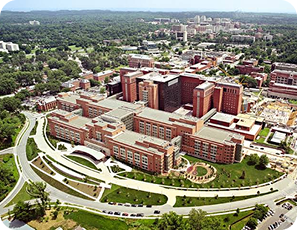
First Director of Behavioral & Social Sciences Research at NIH

Established this field of research within the National Institutes of Health.

Transforming Health Psychology

A historic leadership milestone in American psychology.

Champion of Minority Mental Health

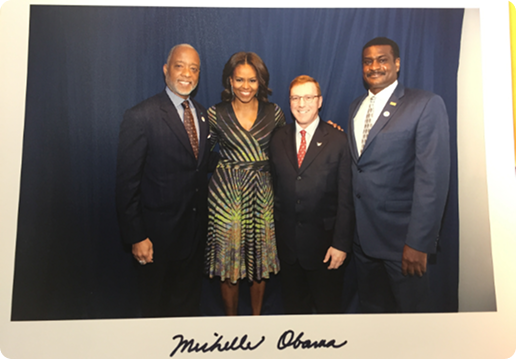
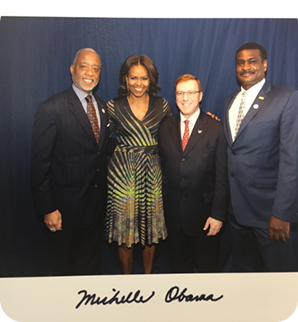
Advanced mental health awareness as a national public priority, recognized at the White House.

Awards & Recognition

Norman's Key Awards

A selection from more than thirty honors received over his career.
BEYOND THE SCHOLAR

The Man Behind the Work

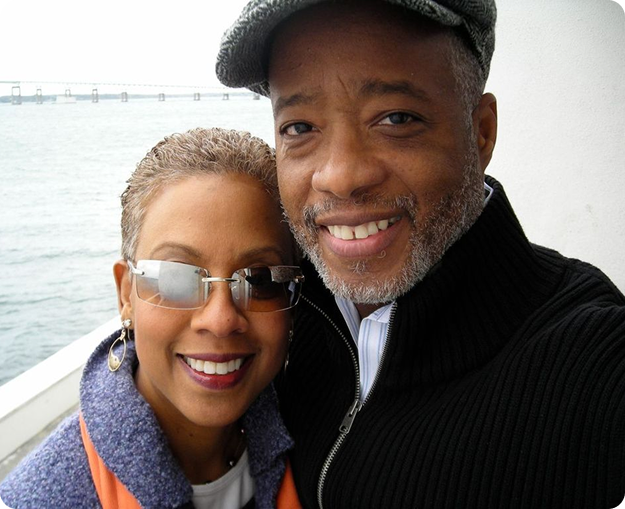
Those who knew him best remember more than his accomplishments. Norman was a devoted husband, a mentor, a fraternity brother, a lover of sports, and a friend who made you feel like you truly mattered.

His Marriage to Elizabeth

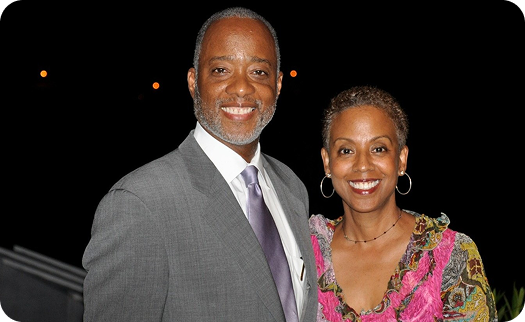
A partnership of close to four decades, and the center of his life outside his work.

Kappa Alpha Psi Brotherhood

A lifelong bond, and a channel for the mentorship that defined him.

A Love of Sports

Long afternoons on the course, Sunday games on TV, and a rivalry he never let anyone forget

Contemplative Practice

Decades of quiet, daily devotion, practices that shaped how he listened, taught, and led.

Dr. Norman B. Anderson, PhD, trained as a clinical psychologist and had a wide-ranging career as a national leader, first as a scientist and tenured professor studying health disparities and mind/body health, and later as an executive in government, non-profit, and higher education sectors.

Anderson served last as Assistant Vice President for Research and Academic Affairs, and Professor of Social Work at Florida State University (FSU), a role he deeply loved, and the last he held before his passing. In those roles he worked with faculty and administrators to advance the research mission of the university and to facilitate the success of emerging academic leaders.

Dr. Anderson created and directed the FSU Faculty Leadership Program, which was designed to offer leadership training to faculty across the university in various stages of their professional journeys.

Before joining FSU, Dr. Anderson served for 13 years as the Chief Executive Officer (CEO) and Executive Vice President of the American Psychological Association (APA), and was the second longest-servingand first African American CEO in the 125-year history of APA. AmongAPA’s numerous accomplishments during his tenure, the organization was named one of the top places to work in the Washington, DC area in2014. Dr. Anderson retired from APA in 2015.

Prior to joining APA, Dr. Anderson was the founding Associate Director of the National Institutes of Health (NIH) in charge of social and behavioral science, and was the first Director of the NIH Office of Behavioral and Social Sciences Research (OBSSR). At NIH, he facilitated behavioral and social sciences research across all of the Institutes andCenters of the NIH.

In addition to his formal leadership roles, Dr. Anderson served as a tenured associate professor at Duke University and as a tenured professor at the Harvard School of Public Health. His research and writing on health and behavior, and on racial/ethnic and economic health disparities are well known.

For his research, service, and leadership, Dr. Anderson received a number of significant awards from scientific societies and universities. Among his numerous honors, in 2012 Anderson was elected to membership in the National Academy of Medicine of the National Academies of Science. In 2013, he was inducted into the National Black College Alumni Hall of Fame for his work in science. In collaboration with his former student, the late Dr. Rodney Clark (and others), Anderson developed one of the first bio-psycho-social models of racism as a stressor for African Americans, which was published in 1999 and was awarded the 2023 Scientific Impact Award from the Society of Experimental Social Psychology. Dr. Anderson received four honorary doctorate degrees.

He was elected to Fellow status in a number of organizations including the American Association for the Advancement of Science, the American Psychological Association, the Association for Psychological Science,the Academy of Behavioral Medicine Research, and the Society of Behavioral Medicine.

He is a Past-President of the Society of Behavioral Medicine.In addition to publishing dozens of scientific articles, Dr. Anderson authored and edited several books, including serving as editor-in-chief ofthe two-volume Encyclopedia of Health and Behavior (2003) and as co-editor of Interdisciplinary Research: Case studies from Health and Social Science (2008). For over 12 years he was editor-in-chief of APA’sflagship journal, American Psychologist.

As a Certified Professional Coach, Dr. Anderson was Principal ofAnderson Leadership Coaching and Consulting, LLC which built on his decades of experience working with and developing senior executives and leaders in complex organizations. He focused on using evidenced-based leadership approaches and one-on-one coaching to help established and emerging leaders perform at their best. Dr. Andersonspecialized training in The Five Practices of Exemplary Leadership®(also known as The Leadership Challenge), one of the most extensively evaluated approaches to leadership development. He was certified in theuse of the EQ-i 2.0 measure of emotional intelligence and was a Certified Mindfulness Teacher with training from the Mindful Awareness Research Center at the University of California at Los Angeles. Dr.Anderson led retreats and workshops for leaders and other groups on leadership practices, mindful leadership, emotional intelligence,character strengths, diversity and inclusion topics, and contemplativeprayer/meditation practices.

A graduate of North Carolina Central University in Durham, N.C., Anderson earned masters and doctoral degrees in clinical psychology from the University of North Carolina at Greensboro. He received additional clinical and research training at the schools of medicine atBrown and Duke Universities, including postdoctoral fellowships in psychophysiology and aging at Duke.